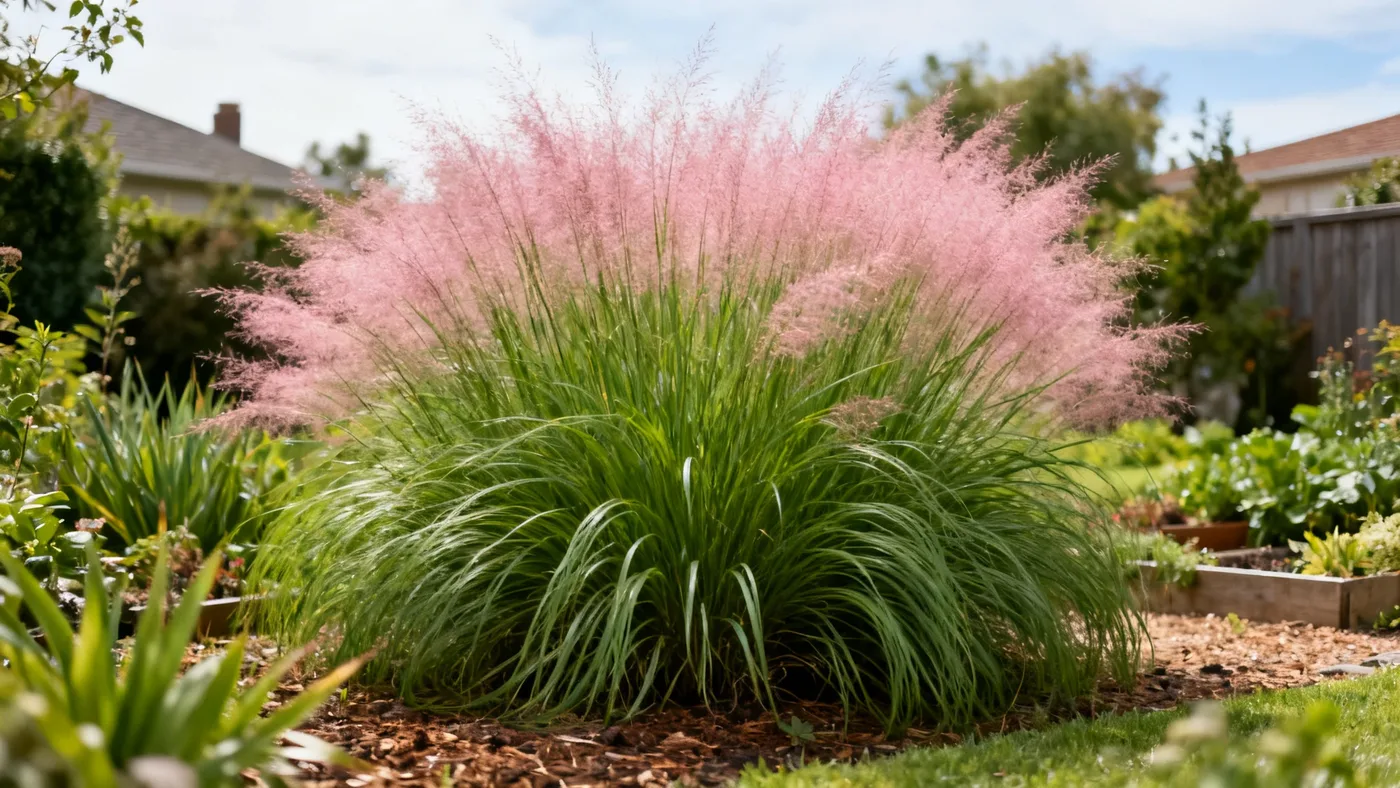
Do You Need to Fertilize Pink Muhly Grass? A Simple Guide
Pink Muhly Grass (Muhlenbergia capillaris) rewards low-maintenance gardening. If you're wondering whether your grass needs fertilizer, the short answer is probably not. This native ornamental is a light feeder that thrives in lean soil, and a careless application of fertilizer can actually reduce bloom and trigger floppy, weak growth. That said, there are moments when a light feeding helps, and knowing when and how makes the difference between a lush, dense clump and a pale, overgrown disappointment.
Does Pink Muhly Grass Really Need Fertilizer?
The honest truth: Pink Muhly Grass does not require fertilizer to grow or bloom. This plant evolved to thrive in the sandy, loamy, and clay soils across the southeastern and eastern United States, where nutrient availability is often naturally low. Many home gardeners skip feeding altogether and see excellent results.
That said, a light application of balanced fertilizer in spring can help establish newly planted or younger clumps. If your soil is poor (very sandy or heavily worked), a modest feeding addresses visible deficiencies without triggering the lush, floppy growth that robs the plant of its airy form and compact structure.
The trap most gardeners fall into: over-fertilizing. Too much nitrogen causes the grass to grow tall and soft, flattens the plumes, and reduces the intensity of the pink color you planted it for.
Understanding Pink Muhly's Soil Adaptability
Pink Muhly adapts to sand, loam, or clay and tolerates soil pH between roughly 5.5 and 7.5, so it's not picky about chemistry. The key requirement is drainage. Soggy soil kills the plant faster than poor nutrition ever will.
If your garden bed has good structure (loose, well-amended, or naturally sandy), you can safely skip fertilizer. If the soil is compacted clay or has been heavily depleted, a single, light spring feeding addresses the imbalance without forcing excessive growth.
When and How to Fertilize Pink Muhly Grass
Timing: Spring Only
If you decide to fertilize, apply fertilizer only in spring, before new growth emerges. In most of the plant's USDA zones 6-9 range, this means late winter to early spring. Check your local extension service for the exact timing in your region, since spring arrival varies by 4-6 weeks depending on where you garden.
Never fertilize in summer, fall, or winter. Late-season feeding delays dormancy and invites cold damage to tender new growth.
Materials Needed
- A balanced, granular fertilizer (10-10-10 or similar NPK ratio, or a slow-release formulation labeled for ornamental grasses or perennials)
- A kitchen scale or measuring cup (for light, controlled application)
- Work gloves and a dust mask (optional, for dry-fertilizer safety)
- A watering can or garden hose (to settle the fertilizer into the soil)
- A garden fork or cultivator (to gently work fertilizer into the soil surface, optional)
Step-by-Step Application
Step 1: Choose a Balanced Fertilizer
Select a balanced fertilizer with an NPK ratio close to 10-10-10, or any formulation with roughly equal parts nitrogen, phosphorus, and potassium. Avoid high-nitrogen lawn fertilizers, which push leafy growth at the expense of bloom. Slow-release or organic options (like fish emulsion or composted manure) are gentler and give you less risk of over-feeding.
Step 2: Calculate Your Application Rate
For a light feeding, use half the rate recommended on the fertilizer package. A mature Pink Muhly clump typically spans 2 to 3 feet in width, so estimate conservatively. If the package calls for 1 pound per 100 square feet, apply 0.5 pounds per 100 square feet. When in doubt, go lighter. You can always add more next year; you cannot remove fertilizer after it is in the soil.
Step 3: Apply to Dry Soil
Wait for a day or two after rain, when the soil is moist but the foliage is dry. Wet leaves can clump fertilizer and prevent even distribution. Sprinkle the measured fertilizer evenly around the base of the clump, staying 3 to 4 inches back from the center stems to avoid scorching the crown.
Step 4: Water Thoroughly
Water the area deeply after applying fertilizer. This dissolves granules, settles the nutrients into the root zone, and reduces the risk of leaf burn. A good soak (about 1 inch of water) helps the roots access the fertilizer without concentrating it dangerously near the crown.
Step 5: Leave It Alone
Do not fertilize again. A single light application in spring is sufficient for the entire growing season. Pink Muhly reaches mature size in 2 to 3 years, and once established, it requires no ongoing feeding.
Common Mistakes to Avoid
Over-Fertilizing
This is the number-one error. Too much fertilizer, especially nitrogen, forces the grass to grow tall and weak. The plumes flop over, the foliage becomes leggy, and the pink color fades. If you over-feed in spring, you cannot reverse it that year. Plant a mental note: light is better than heavy.
Fertilizing Established, Healthy Plants
If your clump is already 2 feet tall and blooming well, it does not need fertilizer. Resist the temptation to feed. Established plants in decent soil are thriving on minimal nutrients, and you will only invite problems.
Using Lawn Fertilizer
Lawn fertilizers are typically high in nitrogen (often 20-10-10 or higher) and formulated to push grass leaf growth. For Pink Muhly, they are overkill and lead to weak, floppy growth. Stick with balanced formulations intended for perennial beds or ornamental grasses.
Fertilizing in Fall or Late Summer
Pink Muhly slows growth as days shorten and temperatures drop. Any nutrient boost in fall or early autumn delays the plant's natural transition to dormancy and can expose tender new growth to cold damage. Fertilize in spring only.
Ignoring Drainage Issues
If your soil is soggy or compacted, fertilizer will not help. Root rot from poor drainage kills Pink Muhly faster than nutrient deficiency ever will. Before fertilizing, ensure the soil drains well. If it does not, amend it with coarse sand or compost, or plant Pink Muhly in a raised bed.
Expected Results and Timeline
A light spring fertilizing shows results gradually. Within 2 to 4 weeks, you may notice slightly fuller foliage and a bit more vigor during the growing season. However, the effect is subtle and not always obvious, especially if the plant was already healthy.
The real test comes in late summer to fall, when the plumes appear. If you fertilized appropriately (light and balanced), the bloom is dense, the color is a strong pink, and the clump maintains its compact, airy form. If you over-fed, you will see softer growth, plumes that droop or lodge, and a less vibrant color.
Newly planted container-grown starts (typically sold in quart or number 1 containers) show more obvious improvement from a single spring feeding than mature, in-ground clumps, since they have less established root mass and benefit from the nutrient boost during establishment.
By year 2 or 3 (when Pink Muhly reaches mature height of 2 to 3 feet for foliage and 3 to 4 feet including bloom plumes), you should not need to fertilize at all if the soil is reasonably decent.
Quick Reference: Fertilizing Pink Muhly Grass
| Question | Answer |
|---|---|
| Does Pink Muhly need fertilizer? | No, but a light spring feeding helps newly planted or weak clumps. |
| Best time to fertilize? | Late winter to early spring, before new growth emerges. |
| What fertilizer type? | Balanced (10-10-10) or slow-release; avoid high-nitrogen lawn fertilizers. |
| Application rate? | Half the package recommendation; err on the side of light. |
| How often? | Once per year in spring, or skip entirely if the plant is healthy. |
| Risk of over-fertilizing? | Yes: floppy growth, reduced bloom, paler color. |
| Can you fertilize in summer or fall? | No. Spring only. |
| Newly planted vs. established? | Newly planted containers benefit more; established in-ground clumps rarely need it. |
The Bottom Line
Pink Muhly Grass is a low-demand plant that thrives on neglect. If you have good soil and the plant is already established and blooming, skip the fertilizer and enjoy the savings. If you are starting with a young container-grown plant or very poor soil, a single, light spring application of balanced fertilizer gives a gentle boost without triggering the overgrowth that undermines the plant's grace.
For a complete overview of Pink Muhly care across the seasons, including pruning, watering, and troubleshooting, see The Complete Pink Muhly Grass Care Guide for Every Season.