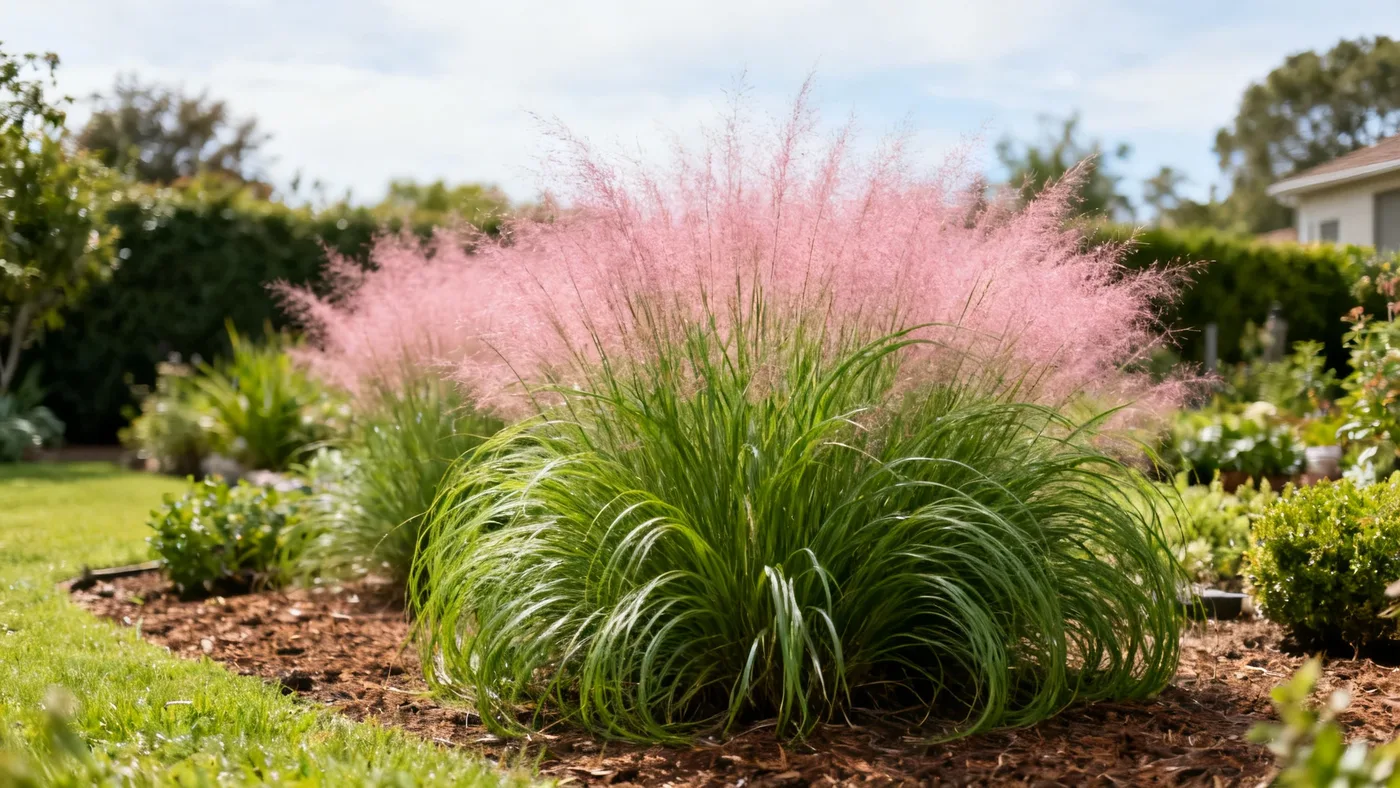
Pink Muhly Grass Problems: Common Pests and Diseases
Pink Muhly Grass is known for being tough and low-maintenance, but even the healthiest ornamental grasses can run into trouble. Most pink muhly grass problems stem from a handful of manageable issues. Knowing what to look for and how to fix it means the difference between a thriving clump and a struggling one. We'll walk you through the most common pests, diseases, and cultural problems we see in home gardens, along with proven solutions from years of growing this beautiful plant.
1. Root Rot from Soggy Soil
This is the number-one killer of Pink Muhly Grass. Root rot happens when the soil stays waterlogged for days at a time, suffocating the roots and allowing decay-causing fungi to take hold. Pink Muhly Grass is a warm-season grass that evolved in well-drained soils across the southeastern United States. When water pools around the crown or the soil never dries out between waterings, the roots simply cannot survive.
You'll notice root rot first as yellowing or browning foliage that starts at the base of the clump and spreads upward. The plant may look droopy even when the soil is moist. If you dig down and the roots are mushy, dark, or smell foul, root rot has already set in. By then, saving the plant is difficult. The key is prevention: make sure your Pink Muhly Grass is planted in soil with good drainage. Amend heavy clay with sand or perlite if needed. Avoid planting in low spots that collect runoff. If your area gets heavy rain, consider a slight mound or raised bed to shed excess water quickly.
Practical takeaway: Plant Pink Muhly Grass in well-draining soil. If your soil is clay-heavy, amend it with 25 to 30 percent sand or perlite before planting. Water deeply after planting to settle the soil, then reduce watering frequency as the plant establishes. In zones 6 to 9, once established, Pink Muhly Grass is drought-tolerant and rarely needs supplemental water except in severe dry spells.
2. Rust Fungus
Rust is a fungal disease that occasionally shows up on Pink Muhly Grass, though it is typically minor and not a major threat. You'll see rust as orange, reddish, or brown pustules or streaks on the leaf blades, often starting on lower, older foliage. The disease spreads in warm, humid conditions, especially when leaves stay wet from rain or overhead watering. Rust rarely kills the plant, but it can weaken it and make the foliage look ratty.
The good news is that rust on Pink Muhly Grass is almost never severe enough to require treatment. Good air circulation and dry foliage are the best prevention. Space your clumps properly, 18 to 36 inches apart depending on your design, so air flows freely around them. Water at soil level, not overhead. If you do see rust and it bothers you, remove the affected lower leaves by hand or apply a sulfur-based fungicide in early morning. However, most gardeners find that light rust is cosmetic and leave it alone.
Practical takeaway: Prevent rust by avoiding overhead watering and spacing plants to ensure good air circulation. If rust appears, remove heavily affected lower leaves. Rust rarely damages Pink Muhly Grass severely; fungicide use is optional and unnecessary in most cases.
3. Mealybugs
Mealybugs are small, soft-bodied insects that occasionally infest Pink Muhly Grass, though the plant is generally pest-free. These pests appear as tiny cottony white clusters on the stems and leaf bases. They pierce plant tissue to feed on sap, weakening growth and sometimes transmitting viruses. In cool climates, mealybug problems are rare; in warm zones, they may show up in late summer or fall.
Catching mealybugs early makes control simple. Inspect your plants regularly, especially the base and inner stems where they hide. If you spot a light infestation, a strong spray of water from the hose can dislodge many of them. For heavier infestations, spray the affected areas with horticultural oil or insecticidal soap early in the morning, coating all infested stems. A second application 7 to 10 days later usually finishes the job. Avoid broad-spectrum pesticides that may harm beneficial insects and pollinators seeking shelter in your grass.
Practical takeaway: Check your plants monthly for cottony white clusters on stems. For light infestations, spray with water. For heavier problems, use horticultural oil or insecticidal soap, repeating after 7 to 10 days if needed.
4. Pink Muhly Grass Turning Brown from Over-Fertilizing
Over-fertilizing causes one of the most common pink muhly grass problems we see in home gardens. Pink Muhly Grass is a light feeder that thrives in poor to moderate soil. Extra nitrogen pushes lots of lush, soft foliage that flops over under its own weight. The plant becomes floppy and lodges (bends to the ground), air circulation suffers, and the whole clump looks messy and stressed. Worse, all that green growth comes at the expense of flowers, so you get fewer of the beautiful pink plumes you planted for.
If you must fertilize, apply a light, balanced formula once in early spring as new growth emerges. That's it. A single, light application is enough. Many experienced growers skip fertilizer entirely and let the plant rely on natural soil nutrients. If your Pink Muhly Grass is already overgrown and floppy, cut it back to 4 to 6 inches above ground in late winter or early spring before new growth starts. This hard reset restores vigor. Going forward, avoid fertilizer or use half strength. Your plant will be sturdier, flower better, and stay in bounds.
Practical takeaway: Fertilize lightly or not at all. A single, light application of balanced fertilizer in spring is optional; many gardeners skip it entirely. If your clump is floppy or overgrown, cut it back to 4 to 6 inches above ground in late winter or early spring.
5. Reduced Bloom or Stunted Growth in Shade
Pink Muhly Grass is a full-sun plant. It blooms best and stays compact when it receives 6 to 8 hours of direct sun each day. Plant it in part shade or less, and you'll notice reduced bloom production, thinner foliage, and a weaker overall appearance. The pink plumes fade or never appear at all. Growth slows, and the plant may stretch or lean toward sunlight, looking sparse and unbalanced.
If your Pink Muhly Grass is in shade and underperforming, your options are to move it to a sunnier spot or accept lighter blooming. Moving an established clump is possible in spring or fall. Dig carefully to preserve roots, move it to full sun, and water well to help it settle. If relocating is not practical, plant a shade-tolerant ornamental grass instead. For new plantings, choose a location that gets full sun all day. Best bloom color occurs in full sun, and the structural benefits (sturdy, compact growth) matter too.
Practical takeaway: Plant Pink Muhly Grass in full sun for the best bloom color and sturdy growth. If an established plant in shade is underperforming, relocate it to a sunnier spot in spring or fall, or replace it with a shade-tolerant alternative.
6. Brown or Tan Foliage in Winter
As temperatures drop in fall and winter, Pink Muhly Grass foliage naturally turns bronze, tan, or brown. This is not a disease or pest problem. It is a normal seasonal change. The pink plumes fade to tan and beige as well, but if left uncut, these dried seed heads persist and provide architectural texture through winter. Many gardeners love this look and cut the grass back only in late winter or early spring before new growth emerges.
However, if the entire clump turns brown early or prematurely (before frost, in late summer), it could signal stress from drought, root damage, or poor drainage. Light brown or bronze tones in fall are normal. Deep brown turning mushy or accompanied by a foul smell suggests root rot. If you're concerned, dig down and check the roots and base of the plant. Healthy roots are firm and light colored; unhealthy roots are dark, mushy, or foul-smelling. Only cut back brown winter foliage in late winter or early spring, not in fall, so you preserve the visual interest and don't remove winter protection the plant provides itself.
Practical takeaway: Brown or bronze foliage in fall and winter is normal. Leave the plant uncut through winter for texture and interest. Cut back to 4 to 6 inches above ground in late winter or early spring before new growth emerges.
Quick Reference: Pink Muhly Grass Problems at a Glance
| Problem | Symptoms | Cause | Fix |
|---|---|---|---|
| Root Rot | Yellowing or mushy base; droopy growth despite moist soil; foul smell from roots | Waterlogged soil; poor drainage | Improve drainage before planting; amend clay soil; plant on slight mound; reduce watering |
| Rust (fungal) | Orange, reddish, or brown streaks on leaf blades; lower foliage most affected | High humidity; wet foliage; poor air circulation | Improve air circulation; water at soil level; remove affected lower leaves; apply sulfur fungicide if severe (rarely needed) |
| Mealybugs | Cottony white clusters on stems and leaf bases; weakened growth | Soft-bodied insect pest; more common in warm zones | Inspect regularly; spray with water for light infestations; apply horticultural oil or insecticidal soap for heavy infestations; repeat after 7 to 10 days if needed |
| Floppy Growth | Clump bends to the ground; excessive soft foliage; few or no pink plumes | Over-fertilizing; too much nitrogen | Avoid fertilizer or apply lightly in spring only; cut back to 4 to 6 inches in late winter or early spring; reduce watering if excessive |
| Reduced Bloom or Thin Growth | Few pink plumes; sparse or stretched foliage; weak appearance | Shade or part shade; plant needs full sun | Move to full sun location in spring or fall; replace with shade-tolerant grass if relocation is not possible |
| Brown Winter Foliage | Foliage and plumes turn bronze, tan, or brown in fall and winter | Normal seasonal dormancy | No action needed; leave uncut for winter texture; cut back to 4 to 6 inches in late winter or early spring before new growth |
Pink Muhly Grass is remarkably trouble-free, especially when sited correctly in full sun with good drainage. Most pink muhly grass diseases and pests are easy to prevent or manage with basic care. Start with the right location, provide well-drained soil, and avoid over-fertilizing. Your plant will thrive for years, offering you reliable beauty with minimal fuss. For comprehensive care instructions, see The Complete Pink Muhly Grass Care Guide for Every Season.