The Complete Pink Muhly Grass Care Guide for Every Season
Quick Links
Key Takeaways
- Plant in spring or fall in USDA zones 6-9 for best results
- Full sun produces the most dramatic pink bloom color
- Prune to 4-6 inches above ground in late winter only, never in fall
- Once established, pink muhly grass tolerates drought well
- No staking usually needed if sited in adequate sun and not over-fertilized
- Seed heads persist through winter and attract songbirds
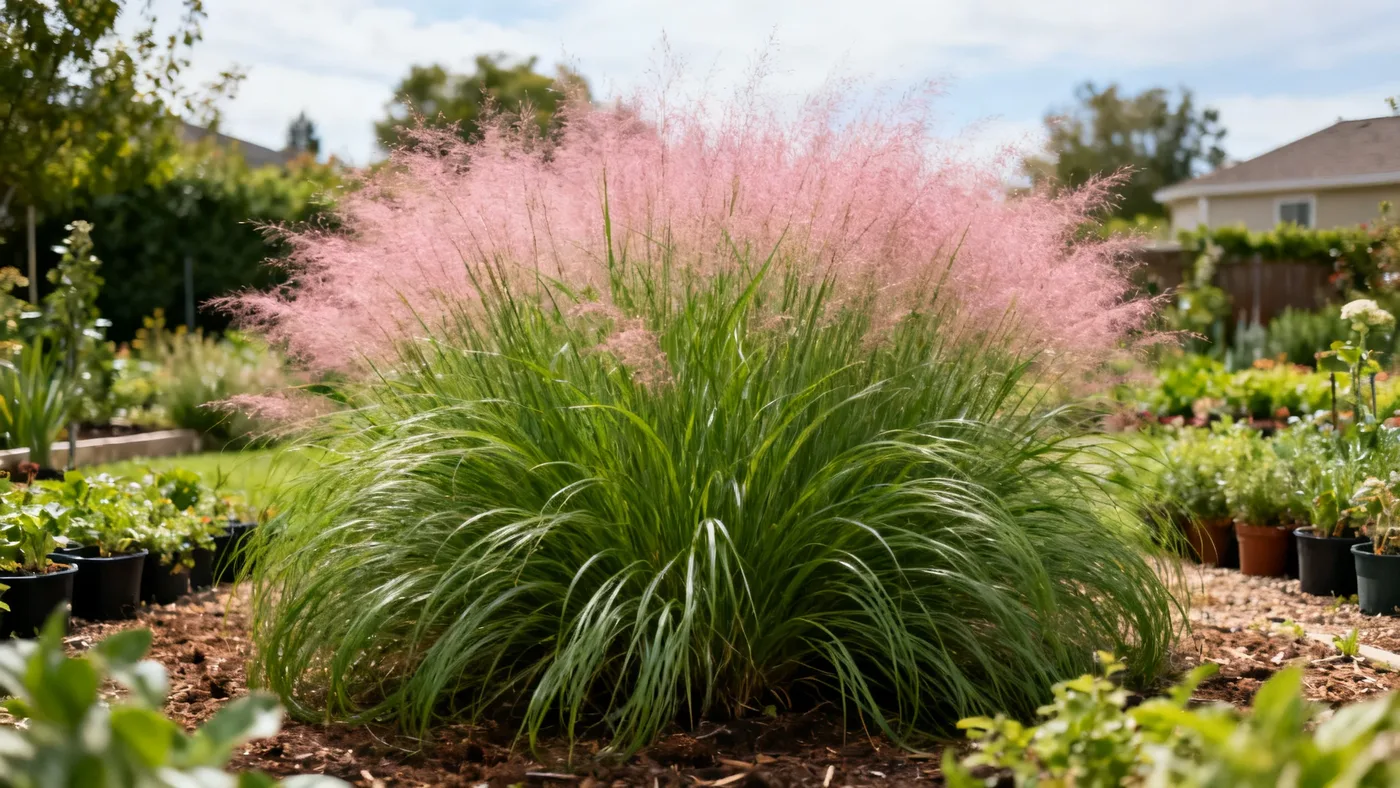
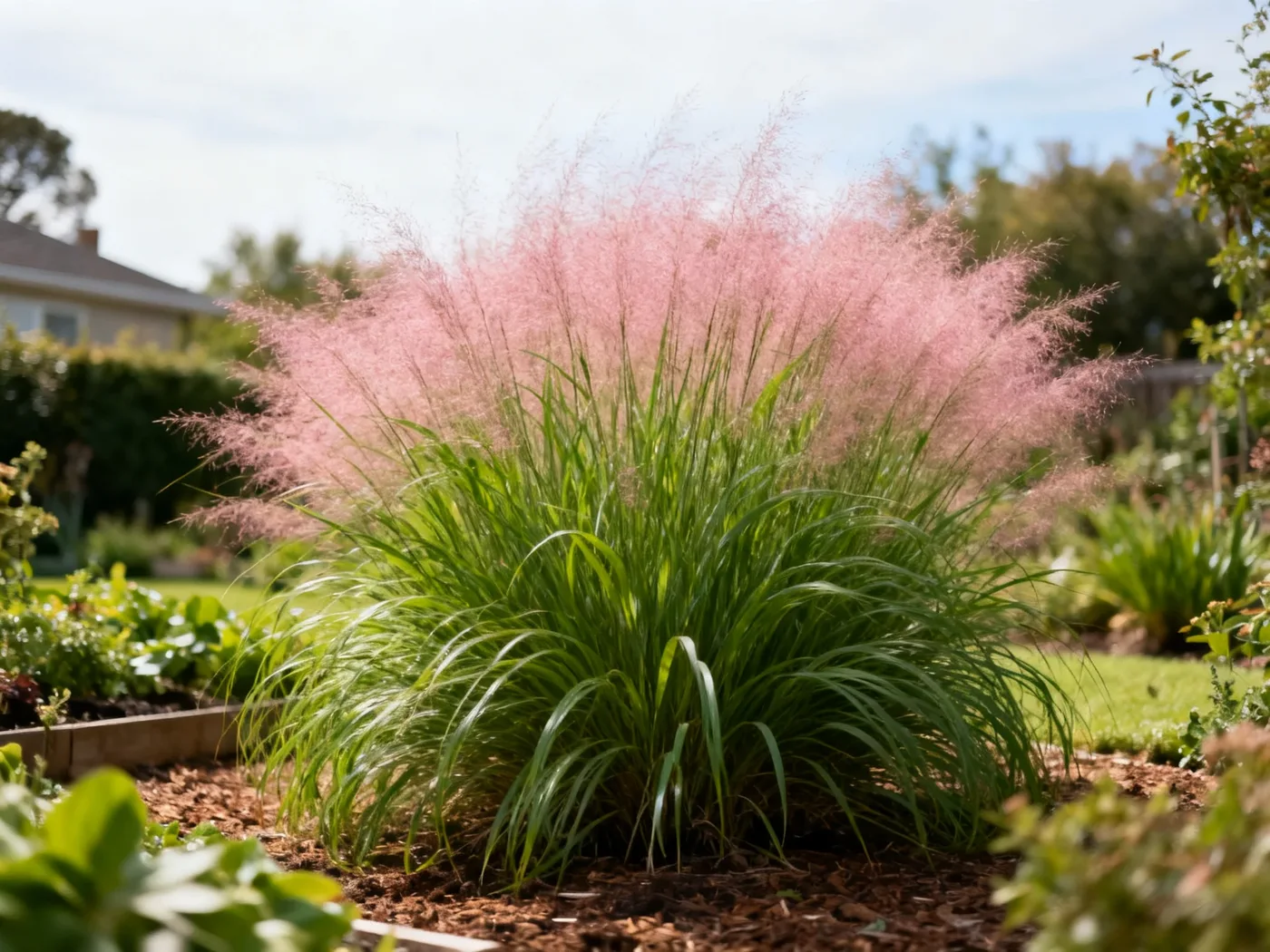
Pink muhly grass (Muhlenbergia capillaris) transforms late-season gardens with airy pink plumes that seem to float above fine-textured green foliage. This warm-season perennial grass thrives across much of North America with minimal fussing once established, yet the path from planting to full maturity has specific seasonal checkpoints that separate success from disappointment. The difference between a floppy, sparse plant and a vibrant specimen often comes down to one or two well-timed decisions each year.
Getting Started: Planting Pink Muhly Grass
Site selection and soil prep lay the foundation for the next decade of growth. A plant placed wrong rarely corrects itself, so take time to understand your space before digging.
Choosing Your Site: Sun and Exposure
Pink muhly grass blooms best in full sun. While it tolerates light or partial shade, plants in less than 6 hours of direct sun per day will produce fewer, paler plumes and show reduced vigor overall. If your garden has a choice, pick the sunniest spot. The plant is not tender in shade, but the spectacular fall display that defines this grass simply does not happen without adequate light.
This grass also performs well in coastal landscapes and tolerates salt spray, making it ideal for seaside gardens where many ornamentals struggle. Wind does not bother it. In fact, the fine foliage and airy plumes move beautifully in breezes.
Soil Preparation and Drainage
Pink muhly is adaptable to sandy, loamy, or clay soils and tolerates soil pH from roughly 5.5 to 7.5. The non-negotiable requirement is drainage. This grass does not tolerate soggy conditions. Root rot develops quickly in poorly drained soil, especially in winter when the plant is dormant and cannot use water actively.
Amend heavy clay with compost or sand to improve drainage before planting. For a potting or raised bed, use a blend with at least 25% coarse sand or perlite. Even in naturally moist climates, avoid planting in low-lying areas or at the base of slopes where water collects.
When to Plant
Plant pink muhly in spring or fall when the ground is workable within your hardiness range (zones 6-9 are most reliable). Spring planting gives the plant a full growing season to establish roots before winter stress. Fall planting, done 6-8 weeks before the first frost, also works well in most areas. Container-grown plants can go in the ground anytime during the growing season as long as you water regularly until established, but avoid planting in hot midsummer in very dry climates.
Spacing and Planting Depth
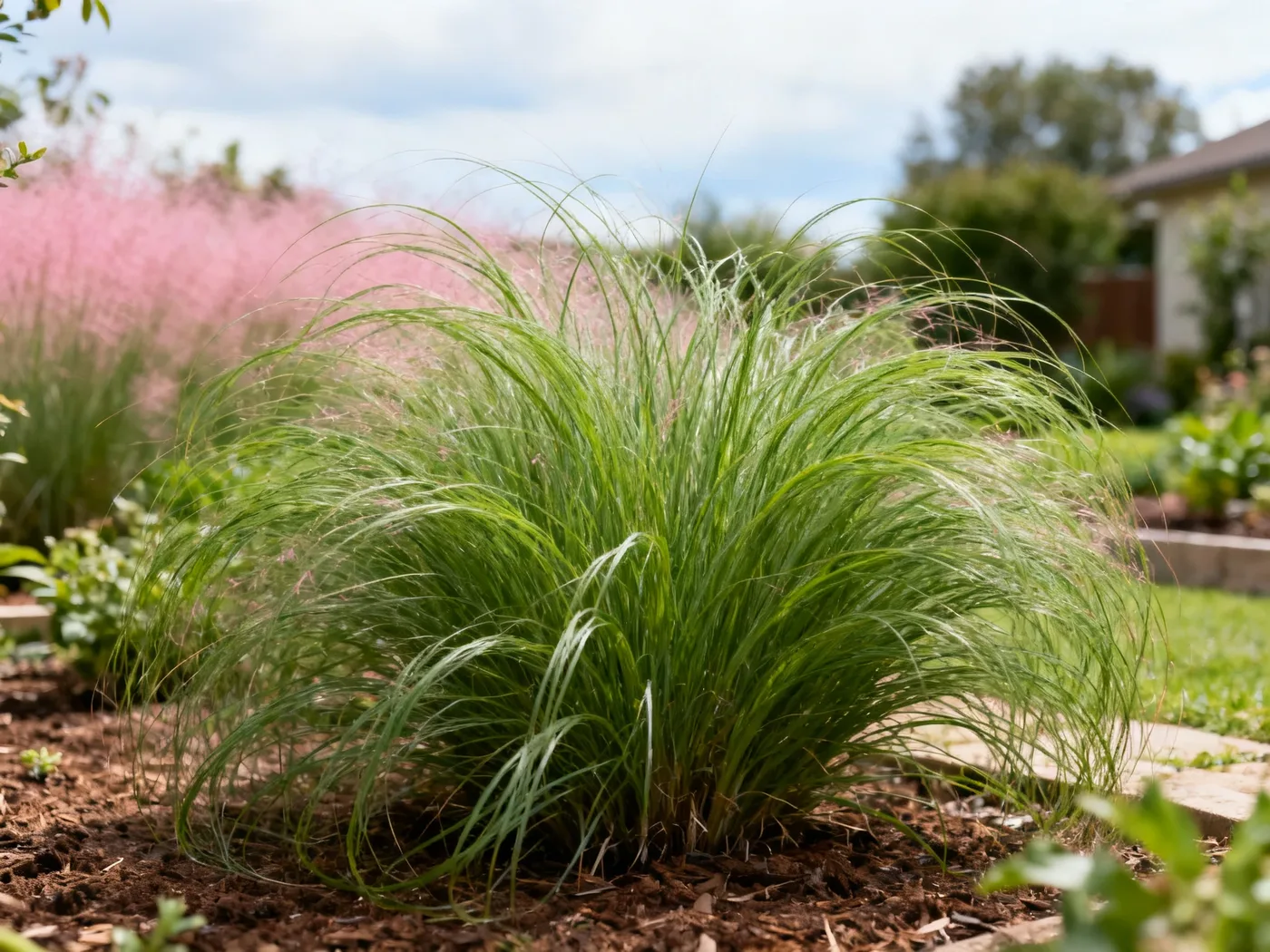
Space plants 18 to 36 inches apart depending on how quickly you want the landscape to fill in. Closer spacing (18-24 inches) creates a massed effect in one season but requires more plants. Wider spacing (30-36 inches) is economical for large installations and allows you to see the individual plant form as it matures.
Dig a hole slightly wider and no deeper than the root ball. Set the plant so the crown (where foliage emerges) is level with the surrounding soil. Backfill with amended soil and water deeply to settle the soil around roots. Mulch around (not on top of) the plant with 1-2 inches of compost to retain moisture during establishment.
Plan for the mature size: expect 2-3 feet tall and 2-3 feet wide in the foliage clump, with plumes extending to 3-4 feet. Growth is moderate, reaching close to mature size in 2-3 years as the grass adds roughly 6-12 inches of height and width per year during that establishment phase.
Spring Awakening: Pruning and Fertilizing
The most critical pruning decision of the year happens in late winter. Get this wrong and you forfeit that year's bloom and winter interest.
Timing Your Annual Cutback
Cut back pink muhly grass to 4-6 inches above the ground in late winter or early spring, just as new green growth emerges at the base. In zones 6-7, this usually falls in late February or March. In zone 8-9, February is typical. Avoid cutting in fall, which removes the decorative seed heads and winter texture the plant provides for the next four months.
Wait for new growth to start. Cutting back completely dormant plants in winter is safe, but waiting until you see green at the crown tells you the plant has begun mobilizing energy to grow. If you miscalculate and a late frost kills emerging shoots, the plant will recover, but you will not see bloom that year.
How to Prune Correctly
Use sharp hedge shears or a power trimmer. Cut uniformly to 4-6 inches all around the clump. Do not shear lower than 4 inches, which risks damage to the growing crown. Do not leave stems standing at drastically different heights. The goal is a low, uniform base from which new growth will emerge evenly.
Burning the dormant plant in early spring (before growth starts) is an alternative method used in some regions. A low-intensity burn removes all above-ground material and opens the clump. Only do this if you are experienced with controlled burns and your location permits them.
Never shear or mow in fall or summer. Shearing removes the plumes that are forming and reduces the year's bloom display. Mowing is even worse and often kills the plant outright by severing the growing crown too short.
Fertilizing: Light Is Best
Pink muhly is a light feeder. It does not need routine fertilization, especially once established. If you wish to boost growth in spring, apply a balanced, slow-release fertilizer (such as 10-10-10) once in early spring as new growth is starting. Spread it lightly around the base and water in.
Over-fertilizing does more harm than good. Excess nitrogen promotes lush foliage growth but reduces flowering and can cause plants to flop or lodge under their own weight, even in full sun. Established plants in a balanced garden soil rarely need supplemental fertilizer.
Summer Care: Watering and Watch Points
Once spring pruning is done, summer is the work-light season for established pink muhly. Young plants need different care than mature ones.
Watering Newly Planted Grass
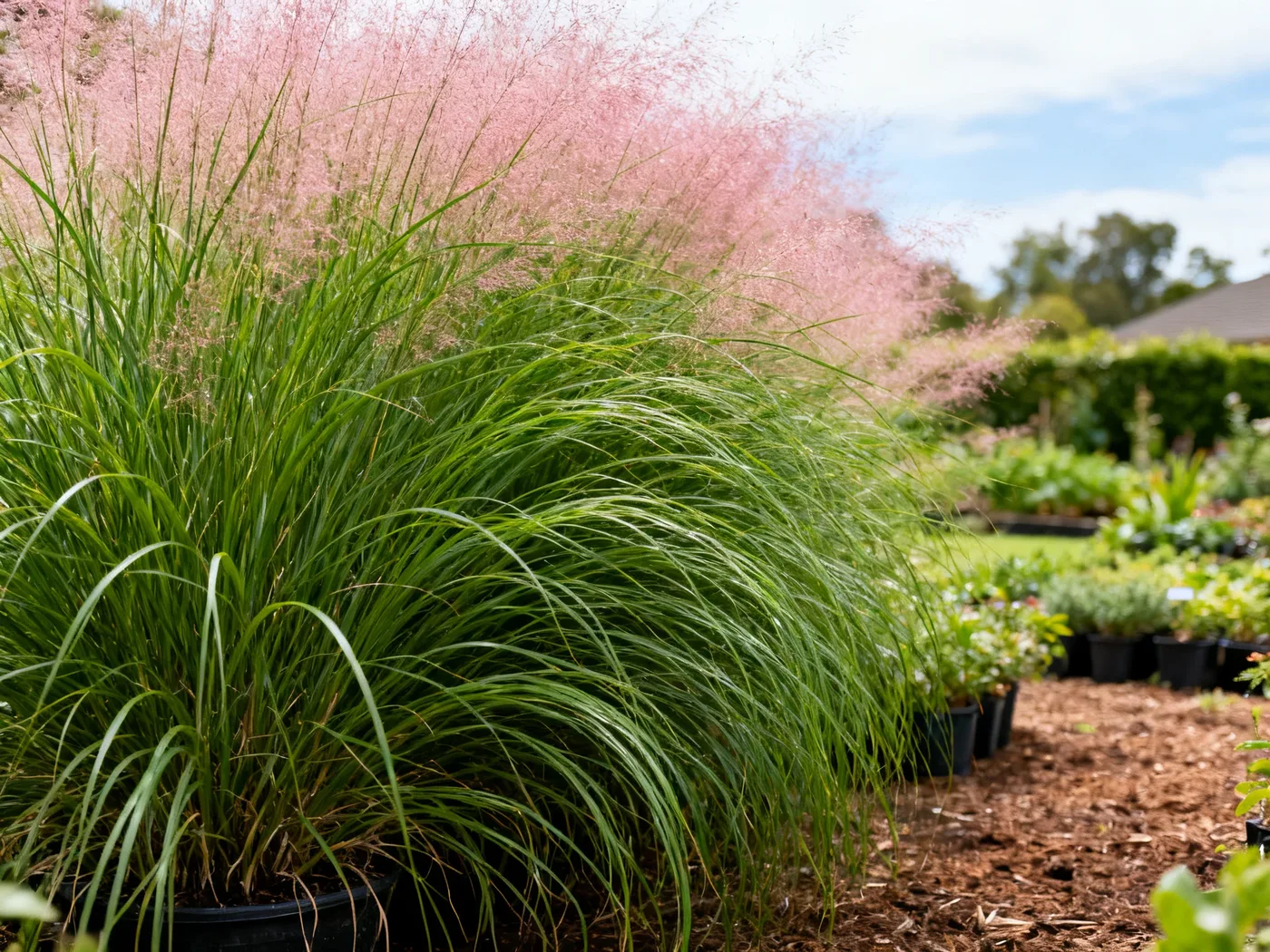
Water young plants regularly (1-2 inches per week via rain or irrigation) for the first growing season to establish a deep, strong root system. Mulch around the plant to retain moisture and moderate soil temperature. Taper off watering as the plant enters its second season, unless your climate is arid.
Established plants tolerate drought well. Once a plant is 2-3 years old and has a mature root system, it generally requires no supplemental water except in extreme drought. In Mediterranean climates or areas with very hot, dry summers, occasional deep watering (once every 2-3 weeks) keeps plants vigorous, but pink muhly will survive on rainfall alone in most regions.
Pests and Disease: Minimal Concerns
Pink muhly grass is generally pest-free. Rust (a minor fungal disease) can appear in wet, crowded conditions. Mealybugs are occasional visitors but rarely serious. Neither typically requires treatment if the plant is healthy and well-sited.
The main disease risk is root rot in soggy soil, which is why drainage is non-negotiable. If a plant shows yellowing foliage or die-back in the crown despite regular watering, dig gently to inspect the roots. Soft, blackened roots indicate rot. The only remedy is better drainage and, usually, replanting elsewhere.
Staking: Not Needed in Most Cases
Healthy pink muhly in full sun does not require staking. If your plant is floppy, the cause is usually too much shade, over-fertilizing, or both. Adding water to already-moist soil also weakens stems. Correct the cause rather than propping up the plant. Occasional light staking early in the season can help a young plant in part shade find its structure, but this is not routine care.
The Fall Show: Bloom and Color
This is what you planted pink muhly for. Late summer through fall is the payoff season.
When Plumes Appear
Bloom time varies by latitude and cultivar but typically occurs from September through November. In zone 6, expect plumes in mid to late September. In zone 9, October into November is normal. Early cultivars like 'Fast Forward' bloom a few weeks ahead of standard types.
Plume color ranges from soft pink to reddish-pink on the species. Some cultivars show purple or white plumes. 'Regal Mist' is known for deeper, more saturated pink. 'White Cloud' produces pure white plumes. The airy, feathery texture of the plumes is the signature; they seem to glow in morning light.
Enjoying and Photographing Peak Display
Plumes persist for weeks to months, gradually fading from pink to tan as they age. A mature plant (3-4 feet tall with full plume coverage) is a showpiece. The display is best viewed against darker backgrounds and shines in afternoon light. Plant pink muhly where you pass by it regularly, not hidden in a back corner.
Do not cut plumes for arrangements until they are fully mature (late October or later). Early harvest shortens the garden display and may reduce next year's vigor.
Winter Interest Without Shearing
After plumes fade, the plant enters its winter form. This is when your decision not to cut back in fall pays off visually.
Seed Heads and Winter Structure
Leave the plant standing through winter. The tan seed heads and dried foliage provide visual interest, catch frost and snow, and persist through most of the winter. The seeds also feed songbirds seeking food when other sources are scarce. The dried plant adds height and movement to the winter garden even on still days.
In late winter or early spring, when new green growth begins to emerge at the base, do your annual cutback. At that point, the old growth has done its job and is ready to be removed, making space for the fresh shoots.
Cold Hardiness and Winter Care
Pink muhly is rated for zones 6-9, though some sources cite 5b-10. Check your local zone before planting. In zone 5, winter dieback is common and plants may not survive harsh years. In zones 6-9, plants are reliably perennial. If planted in zone 5 or warmer microclimates within zone 6, provide afternoon shade and excellent drainage to reduce frost damage.
No winter mulch is needed. In fact, mulching over the crown can trap moisture and promote rot. Let the plant's dormancy do the work.
Troubleshooting Common Problems
Floppy or Lodging Growth
A plant that sprawls or flops over despite maturity usually has one or more of three causes: too little sun, excess fertilizer, or too much water. Full sun fixes most cases. If the plant is in full sun but still flops, reduce or eliminate supplemental fertilizer and check drainage. Overly wet soil weakens stems even in sunny locations.
Poor Bloom or Sparse Plumes
Reduced plume production typically means insufficient light. Move the plant (if young enough) to a sunnier location, or prune nearby trees to increase light. A mature plant in part shade will bloom sparsely no matter what else you do. Excess shade cannot be fixed with fertilizer or water.
Second-year bloom may also fail if the plant was pruned in fall instead of spring, removing the stems that would have bloomed.
Root Rot and Soggy Soil
If foliage yellows or the crown feels soft, drainage is the problem. Dig to inspect roots. Black, mushy roots mean rot has set in. Remedy: improve drainage by amending soil with sand or organic matter, or replant elsewhere in better-drained soil. In containers, repot into a mix with more perlite or coarse sand. Water less frequently, letting the soil dry out between waterings.
Pest Damage (Mealybugs, Rust)
Mealybugs are occasional but rarely damaging. Spray with insecticidal soap if infestations are heavy. Rust appears as orange or reddish pustules on foliage in wet, crowded conditions. Improve air circulation by thinning nearby plants or pruning lower foliage. Rust is cosmetic and rarely requires treatment.
Growing Pink Muhly in Containers
Pink muhly adapts well to container growing, making it ideal for patios, balconies, and accent planting. Quart-container nursery starts are commonly available and establish quickly.
Container Soil and Drainage
Use a high-quality potting mix blended with 25-30% coarse sand or perlite. Pots must have drainage holes. A 3-5 gallon container accommodates a mature plant. Larger containers reduce watering frequency and give roots room to spread.
Seasonal Container Care
Water container plants more frequently than in-ground plants because pots dry faster. In summer, check soil moisture every 2-3 days and water when the top inch is dry. In zones 6-7, move containers to a sheltered location in winter or mulch heavily around the pot to insulate roots. In zones 8-9, containers can stay outdoors year-round.
Follow the same spring pruning and fertilizing schedule as in-ground plants. Do not over-fertilize container plants, which are more prone to salt buildup. Repot into fresh soil every 2-3 years or when the plant outgrows its container.
| Season | Task | Notes |
|---|---|---|
| Late Winter / Early Spring | Prune to 4-6 inches above ground | Wait for new green growth to start. Late Feb-March (zone 6-7). |
| Spring (optional) | Light fertilizer application | Balanced (10-10-10) fertilizer only if desired. Established plants do not need it. |
| Spring / Early Summer | Water newly planted grass regularly | 1-2 inches per week for first season. Established plants, water only during drought. |
| Summer | Monitor for pests; water during drought | Pest-free in most cases. Do not over-water established plants. |
| September - November | Enjoy bloom; leave plumes standing | Do not cut. Pink to reddish-pink plumes persist into winter. |
| Winter | Enjoy winter texture; do not prune | Seed heads and dried foliage provide interest and feed birds through winter. |
Hardiness Zones and Regional Adaptations
| Zone / Region | Special Considerations |
|---|---|
| Zone 5 / Cool Northern | Not fully hardy. Try in protected microclimates or grow as annual. |
| Zones 6-7 / Upper Midwest, Northeast | Ideal growing range. Prune in late Feb-March. Reliable perennial. |
| Zones 8-9 / South and Southeast | Very hardy. Plant in fall or early spring for best establishment. Bloom later (Oct-Nov). |
| Coastal / Salt-Exposure Areas | Excellent choice. High salt tolerance makes it ideal for seaside gardens. |
| Arid / Low-Rainfall | Once established (year 2+), requires minimal to no supplemental water. Perfect for xeriscape. |