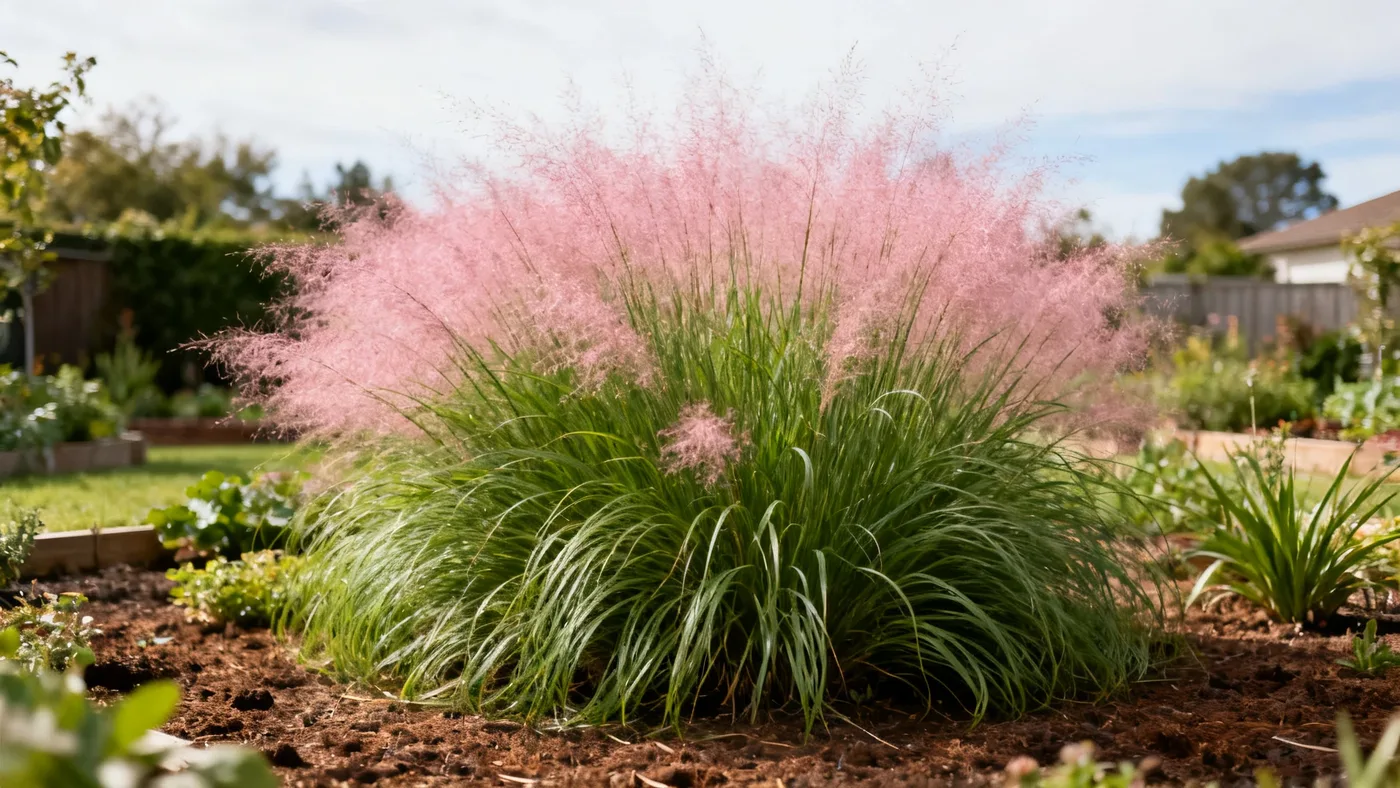
Pink Muhly Grass Hardiness Zones: Where It Thrives
Pink Muhly Grass thrives in USDA hardiness zones 6 through 9, making it a reliable choice for much of the eastern and central United States. Before you plant, it helps to know exactly where this stunning ornamental grass grows best, what winter temperatures it can handle, and how to set it up for success in your climate. Whether you're in the cool Northeast or the warm Southeast, this guide answers the most common questions about pink muhly grass hardiness zones.
Basic Hardiness and Cold Tolerance
Q: What are the hardiness zones for pink muhly grass?
Pink Muhly Grass grows reliably in USDA hardiness zones 6 through 9. Some sources list a wider range (zones 5b to 10), though zones 6 to 9 represent the most consistently cited and well-tested range for healthy establishment and long-term survival.
Q: Is pink muhly grass cold hardy?
Yes, pink muhly grass is cold hardy in its recommended zones. It survives winter dormancy in zone 6 and colder parts of zone 5 in protected locations, though zone 6 is where most gardeners see reliable, year-after-year performance without special winter protection.
Q: Can I grow pink muhly grass in zone 5?
Zone 5 gardeners report success with pink muhly grass in sheltered microclimates and in well-draining soil where winter moisture doesn't accumulate. However, the standard recommendation is zone 6 and warmer, so check with your local extension service if you're at the northern edge of zone 5 to understand your specific winter conditions.
Q: Will pink muhly grass survive my zone 10 winter?
Pink muhly grass is not typically recommended for zone 10. In the warmest zones, it may lack the winter dormancy period it needs, or it may struggle in heat and humidity. Stick to zone 9 as your warmest zone for reliable performance.
Regional Growing and Native Range
Q: Where is pink muhly grass native?
Pink Muhly Grass is native to the southeastern and eastern United States, ranging from New Jersey and Massachusetts south to Florida and west to Texas and Kansas. It also grows naturally in parts of the Caribbean and Mexico, which tells you it evolved to thrive in warm climates but still handles northern winters well.
Q: Does pink muhly grass grow in coastal zones?
Yes, pink muhly grass is commonly used in coastal landscapes because it has high salt tolerance and handles sandy, well-draining soils beautifully. Coastal gardeners in zones 6 to 9 often find it one of their best ornamental grass choices for seaside gardens.
Q: Is pink muhly grass suitable for dry, hot climates?
Absolutely. Once established, pink muhly grass is drought-tolerant and thrives in full sun with low to moderate water needs. It performs well in arid and semi-arid regions within zones 6 to 9, especially in areas with good soil drainage.
Q: Can pink muhly grass handle shade?
Pink muhly grass prefers full sun to light shade for best results. In part shade or lower light, bloom color diminishes and growth may become less vigorous. If you have a shadier spot, consider it less ideal but still workable if you accept reduced flowering.
Winter Survival and Hardiness Management
Q: Do I need to protect pink muhly grass in winter?
In zones 6 through 8, pink muhly grass needs no winter protection once established. Leave the dried foliage and seed heads standing through winter; they provide insulation and ornamental interest. Cut back to 4 to 6 inches above ground in late winter or early spring before new growth emerges.
Q: What happens to pink muhly grass in zone 9 winters?
In zone 9, pink muhly grass is evergreen or semi-evergreen and requires the same late-winter cutback to 4 to 6 inches to encourage fresh growth. Winters are mild enough that the plant survives with no special protection, but removing old foliage helps it regenerate.
Q: How do I know if my pink muhly grass died over winter?
Wait until late spring to cut back the plant. If you see fresh green growth emerging from the base when you part the old foliage, the plant is alive. No green shoots by late spring usually means winter damage or root rot from poor drainage.
Q: Does wet winter soil hurt pink muhly grass hardiness?
Yes. Poor drainage combined with wet winters is the main threat to pink muhly grass survival in cold zones. Even zone 6 plants will suffer root rot if soil stays soggy through freeze-thaw cycles. Good drainage is as important as cold hardiness.
Regional Variations and Timing
Q: When does pink muhly grass bloom in different zones?
Bloom time typically runs from late summer through fall, September to November across its range, but the exact timing varies by latitude and local climate. Zone 6 gardens usually see plumes in October and November, while zone 9 sites may start blooming in September.
Q: Does pink muhly grass reach the same size in every zone?
Pink muhly grass matures to 2 to 3 feet in foliage height and 3 to 4 feet including bloom plumes across zones 6 to 9. Growth is moderate, reaching mature size in 2 to 3 years at a rate of roughly 6 to 12 inches per year, with timing roughly consistent regardless of zone within the recommended range.
Q: Is pink muhly grass hardier in well-draining soil?
Absolutely. Soil drainage is critical to hardiness. Pink muhly grass is adaptable to sand, loam, or clay, but it must drain well. In wet clay without amendment, even zone 7 plants may not survive winter; in amended, well-draining soil, zone 6 plants thrive without winter care.
Planning Your Garden in Your Zone
Q: What companion plants grow with pink muhly grass in zone 6?
In cooler zones, pair pink muhly grass with cold-hardy perennials like coneflower, black-eyed Susan, little bluestem, salvia, and goldenrod. These combinations thrive together and extend seasonal color from summer into late fall.
Q: Should I space pink muhly grass differently in colder zones?
No, spacing stays the same across all zones. Space plants 18 to 36 inches apart depending on how quickly you want the planting to fill in. Closer spacing (18 inches) fills faster in any zone; wider spacing (30 to 36 inches) gives more air circulation.
Q: When should I plant pink muhly grass in zone 6?
Plant in spring or fall when the ground is workable. Container-grown plants can go in anytime the soil isn't frozen. Spring planting gives the plant a full season to establish before winter; fall planting (before October) allows root development through cool months.
Q: Can I grow pink muhly grass in containers in cold zones?
Yes, pink muhly grass is well suited to containers with good drainage holes. In zones 6 and colder, move large containers to a sheltered location or mulch the base heavily in late fall, as container soil freezes faster than garden soil and can kill the roots.
Q: How long does pink muhly grass live?
Pink muhly grass is a long-lived perennial, often persisting 10 or more years in the garden. With periodic division of the clump every few years, you can maintain vigor and rejuvenate older plants across all zones in its hardiness range.
Q: Is pink muhly grass invasive in my zone?
No. Pink muhly grass is not considered invasive and is a native North American species recommended for native and pollinator-friendly landscaping. It stays in its planting area and does not spread aggressively.
Quick Reference: Pink Muhly Grass by Zone
| Hardiness Zone | Winter Care | Bloom Timing | Key Considerations |
|---|---|---|---|
| Zone 6 | No protection needed; cut back to 4-6 in in late winter | October-November | Ensure excellent drainage; standard establishment watering first season |
| Zone 7 | No protection needed; cut back to 4-6 in in late winter | September-November | Thrives in most conditions; very reliable |
| Zone 8 | No protection needed; cut back to 4-6 in in late winter | September-November | Handles heat and humidity well; keep well-drained |
| Zone 9 | No protection needed; cut back to 4-6 in in early spring | August-October | Warmest recommended zone; may be semi-evergreen |
Learn More About Pink Muhly Grass Care
For comprehensive guidance on year-round care, read the complete pink muhly grass care guide for every season. If you want to maximize bloom color in your climate, learn how to plant pink muhly grass for the best fall color.