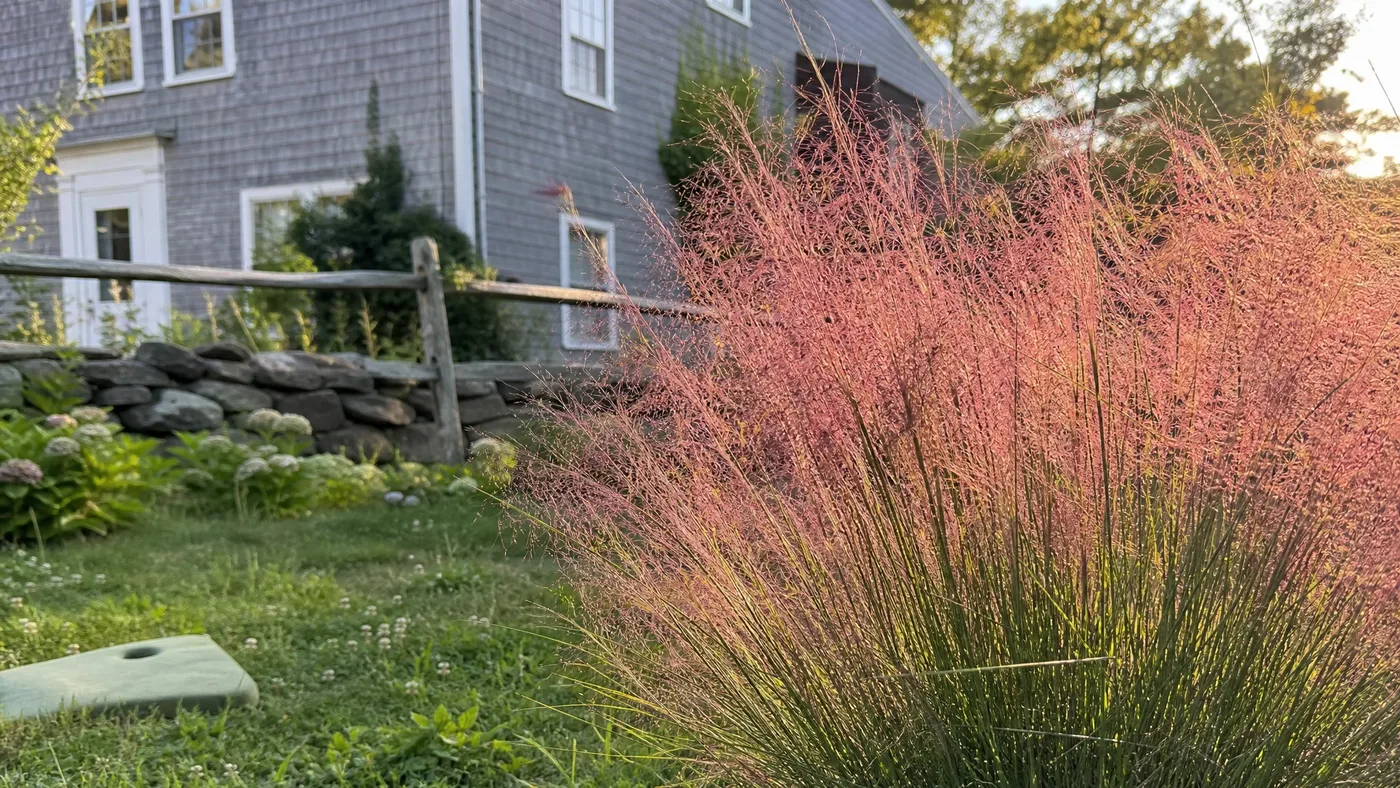
Pink Muhly Grass Native Range: Where It Grows Naturally
Where does this plant even come from? It is the question we hear most from people who have just fallen for a hazy pink cloud in October and want to know whether it will survive in their own yard. The reassuring answer is that pink muhly grass is native across the central and eastern US, from Massachusetts to Florida and west to Kansas and Texas, growing in sandy coastal ground as well as rocky or clay soils in open woodlands. A plant shaped by that life is tough, and knowing where it started tells you most of what it needs from you.
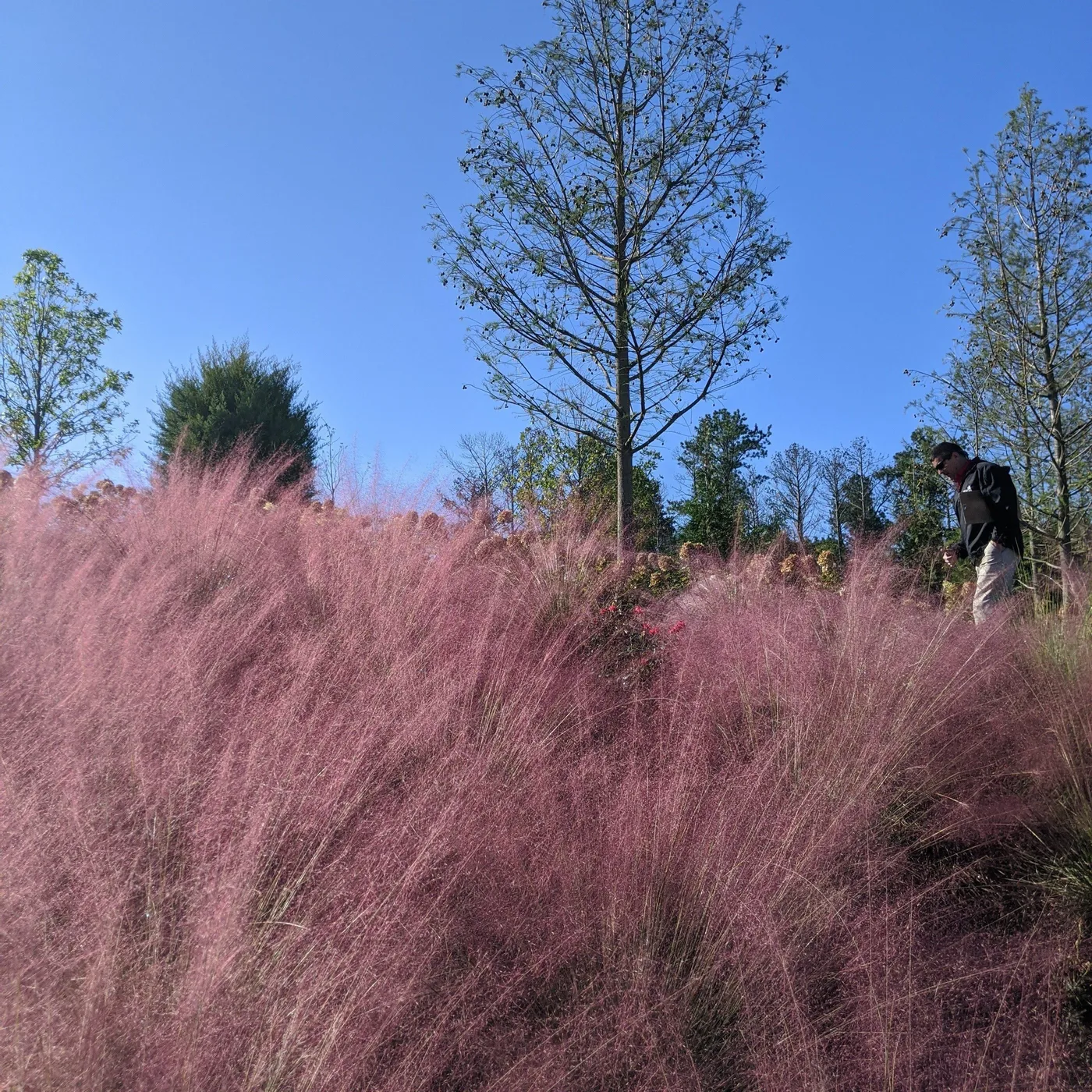
The range also reaches further inland and north than most people expect, which matters if you garden outside the Deep South. Read on for the story behind the name, the nicknames, the wild habitats, a state-by-state look at where it is native, and what all of it means for your own soil and sun.
A Grass Named for a Pennsylvania Pastor
The genus name Muhlenbergia honors Henry Muhlenberg, a Lutheran pastor in Pennsylvania who was also a serious student of North American plants and wrote about the grasses he collected. His name now sits on a whole group of grasses, which is why a plant of Gulf Coast sand carries the name of a minister from the mid-Atlantic. Most customers say "muhly" for short, and that is perfectly fine.
The second half of the botanical name, capillaris, is Latin for hairlike, and it describes the plumes exactly. Each pink cloud is built from thread-fine branches that catch low autumn light, so the species name is really a description of what you see in October. The plant blooms from September through November, so the name earns its keep for most of the fall.
As it happens, Pennsylvania is on the list of states where this species grows wild, so the name is less of a stretch than it first sounds. The genus has many members with very different homes, which is why "muhly" alone never tells you where a plant is from. This guide is about Muhlenbergia capillaris, and the range question starts there.
How Pink Muhly Grass Got Its Many Nicknames
One of the most common questions we get is whether gulf muhly, hairawn muhly and pink muhly are different plants. They are one species, and it carries a long string of common names: gulf muhly, hairgrass, muhlygrass, mule grass, pink hair grass, pink muhly, pink muhly grass and purple muhly. UF/IFAS adds hairawn muhly to the pile.
A few of those names hint at origins. Gulf muhly points straight at the Gulf Coast, and it is the name Texas A&M AgriLife uses in its own write-ups. Hairawn refers to the fine bristle, called an awn, on each seed, and that bristle is what gives the plumes their haze. Hairgrass and pink hair grass play on the same fine texture.
Purple muhly is about color. The plumes can look pink, purplish red or purplish gray, which depends on the plant and the light. Mist grass, a nickname you will meet in catalogs, comes from the billowy, cloud-like look that Mississippi State Extension describes. Mule grass is a folk name we would not read much into.
One wrinkle is worth knowing. Clemson's horticulture team notes that most of the pink muhly sold in landscapes is likely Muhlenbergia sericea, with capillaris acting as the trade name. References sort these plants differently, so a tag and a range map may not match word for word. For a gardener the takeaway is the same: this is a coastal plain grass that wants sun.
Sandy Flatwoods, Dunes and Roadsides
In the wild, pink muhly grass turns up in more kinds of places than the word "coastal" suggests. UF/IFAS says it is native to pine flatwoods, coastal upland and beach dunes, and sandhill communities, which is about as sandy and sunny as habitat gets. What these places share is open sky, lean soil and very little competition.
Flatwoods and Sandhills
Pine flatwoods have a thin canopy, so sun reaches the ground for most of the day. The grass also grows naturally in clay or thin rocky soils, especially soils that were formerly burned and prairie-like. Fire kept those sites open, and a yearly cutback in late winter does a similar job in your garden by clearing old growth so fresh blades can come up in the sun.
Dunes and Marsh Edges
Dunes are not all dry. On the coast it is often found in inter-dune swales, the low spots between dunes that hold water after rain. It also turns up in wet prairies and on the outer edge of marshes. It even tolerates extended flooding, so this is no desert plant, just one that cannot stand shade.
Roadsides
Roadsides are a small version of the coast: baked soil, reflected heat and salt. Missouri State describes the plant as tolerant of salt, both sea spray and road salt or ice melter. That is a big reason it is such a common choice along roads and parking lots, and a good sign for a driveway border in your own yard.
Where Pink Muhly Grass Is Native State by State
The short geography is that it grows wild from the Gulf Coast up the Atlantic side of the country. The University of Arkansas extension service says it is native from Massachusetts to Florida and across to Texas and into adjacent areas of Mexico. Clemson describes the range as stretching from Kansas to Massachusetts and south to Florida, so it also runs well inland.
The Native List by Region
NC State's database gives a state-by-state list, plus Bahamas, Cuba, Guatemala, Mexico and Puerto Rico. We have grouped the states below so the pattern is easy to see.
| Region | States on the native list | What it tells you |
|---|---|---|
| Gulf Coast | Texas, Louisiana, Mississippi, Alabama, Florida | The heart of the habitat: heat, humidity and sandy ground |
| Atlantic coastal plain | Georgia, South Carolina, North Carolina, Virginia, Maryland, Delaware, New Jersey, and Washington, DC | Flatwoods and dunes running north along the coast |
| Northern edge | New York, Connecticut, Massachusetts, Pennsylvania | It handles real winters in the wild |
| Inland | Arkansas, Missouri, Kansas, Oklahoma, Tennessee, Kentucky, Illinois, Indiana, Ohio, West Virginia | Open woodlands and prairie-like ground, not just beaches |
Illinois is a good example of how patchy the inland edge can be. Illinois Extension says the plant is native to the southeastern U.S., including only some southern Illinois counties.
Where It Is Not Native
No western state appears on the list, and neither do Maine, Vermont, New Hampshire, Rhode Island, Michigan, Wisconsin, Minnesota or Iowa. Gardeners there often ask us if that rules the plant out. It does not, and the last section explains why. Native range describes where a plant arrived on its own, not where it can be grown.
What the Coastal Plain Tells You About Your Yard
Every habitat above comes down to three clues, and they work as a planting checklist. If your yard can offer them, the plant will settle in with little help from you.
- Give it open sun, meaning six or more hours of direct light a day, because the plumes color best there. Our sun requirements guide covers what shade does to the pink.
- Give it drainage that never stays soggy for long. Sandy coastal soil sheds water quickly, though the plant tolerates occasional wet feet, so a spot that dries between storms is ideal.
- Keep the soil lean. Texas A&M AgriLife says it prefers low-fertility sites, and rich, heavily fed beds mostly produce floppy growth.
Soil type matters less than people fear. The plant takes sand, loam and clay, along with acidic and alkaline soil, and it handles a pH range of acid through alkaline. Our soil and drainage guide goes deeper.
Water follows the same logic. Coastal sand is thirsty early and forgiving later, which is why new plants need regular watering while established ones coast on rainfall. Our watering guide lays out the schedule for the first season.
Growing Pink Muhly Grass Outside Its Home Turf
Customers in cold or clay-heavy regions are often the most nervous, and they usually need the least worry. The plant grows in USDA zones 5 through 9, which takes in a lot of non-coastal country. Our hardiness zones guide shows how that plays out in each zone.
Colder Regions
The northern edge of the native list includes New York, Connecticut and Massachusetts, so cold is not foreign to this grass. What we tell customers up north is to pick the sunniest, best-drained spot in the yard and plant it early enough that roots settle before winter. Ask your local extension service for planting dates, and use our planting guide for the steps.
Heavy Clay Yards
Customers usually ask us whether clay dooms the plant. It does not. It grows naturally in clay soils, and clay is among the soils it tolerates. The adjustment is simple: set the crown at or just above the surrounding soil, shape a slight mound if water pools, and skip rich amendments and fertilizer.
Humidity and heat are not a problem either, since both are normal on the coast. If your yard is neither sandy nor sunny, match the plant to the sunniest corner rather than changing the whole bed.
Pink Muhly Grass Is a Coastal Native at Heart
Pink muhly grass grows wild from the Gulf Coast up the Atlantic coastal plain, with an inland arm reaching Kansas and Illinois and a northern edge in New England. Its habitats are sunny, lean and well drained, with salt and flooding thrown in, and that tells you how to plant it: full sun, no rich soil, no fussing.
Whether your yard is sandy or not, this plant is more adaptable than its coastal roots suggest.
Pink Muhly Grass
Nursery-grown Pink Muhly Grass in sizes from 1 GALLON, shipped to your door.
From $78.94
Shop Now →Pink Muhly Grass comes from sunny, lean coastal ground, so on our farms we give it open beds with full sun and soil that drains freely. Everything we sell is raised by us, a small business tending its own plants, grasses like this one included. If this look at where it grows wild has you thinking about a clump for your yard, browse what is in stock now.